
Horses have a natural ability to influence human emotions and nervous system responses.
Equine therapy for the nervous system is built on this unique connection, using nonverbal communication to help individuals struggling with stress, anxiety, and trauma.
Unlike traditional therapy, which relies on talking, equine-assisted methods focus on the nervous system regulation with horse therapy, helping people move from a state of stress to a state of calm.
Understanding how horses interact with humans can reveal why this approach is so powerful in restoring emotional balance.
Understanding the Nervous System and Equine Interaction
Basics of the Human Nervous System
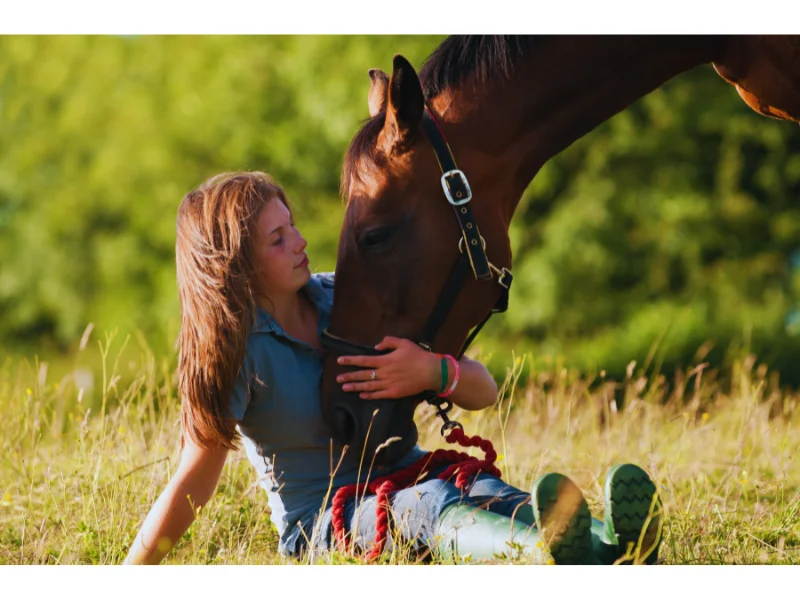
The nervous system plays an important role in regulating how we respond to and process our surroundings.
It is divided into two key branches: the sympathetic nervous system and the parasympathetic nervous system.
The sympathetic nervous system is activated in times of stress, triggering the “fight or flight” response.
This system helps the body react quickly to perceived threats but can become overactive if exposed to prolonged stress, leaving us in a constant state of tension.
On the other hand, the parasympathetic nervous system promotes rest, recovery, and relaxation, helping to restore balance after stress by slowing down heart rate, lowering blood pressure, and encouraging digestion and other restful processes.
When people experience chronic stress or trauma, their nervous system may remain stuck in a heightened state, making it difficult to calm down or feel safe.
Nervous system regulation through equine-assisted therapy offers a solution by helping people reconnect with their natural ability to move from a stressed state to a relaxed state.
This therapy is particularly beneficial because horses provide immediate feedback that allows individuals to recognize and respond to their emotional states in real-time.
How Horses Perceive Human Emotions
Horses are incredibly sensitive animals, with a natural ability to perceive and respond to human emotions.
They do not rely on verbal communication; instead, they respond to body language, facial expressions, and subtle changes in energy.
Horses are able to sense emotional shifts in humans through their keen sense of hearing and the vibrations they feel from a person’s body.
When interacting with a human, horses often mirror the emotional state they detect.
For example, if a person feels anxious or tense, the horse may become restless or alert, reflecting the person’s inner state of unease.
However, if the person relaxes and calms their breathing, the horse often reflects this by calming down as well.
This mirroring effect plays a central role in nervous system regulation with horses.
It allows individuals to observe how their emotions influence the horse’s behavior and make adjustments, helping them regain a sense of emotional control.
The Principles of Equine Guidance®
Core Concepts of Equine Guidance® Therapy
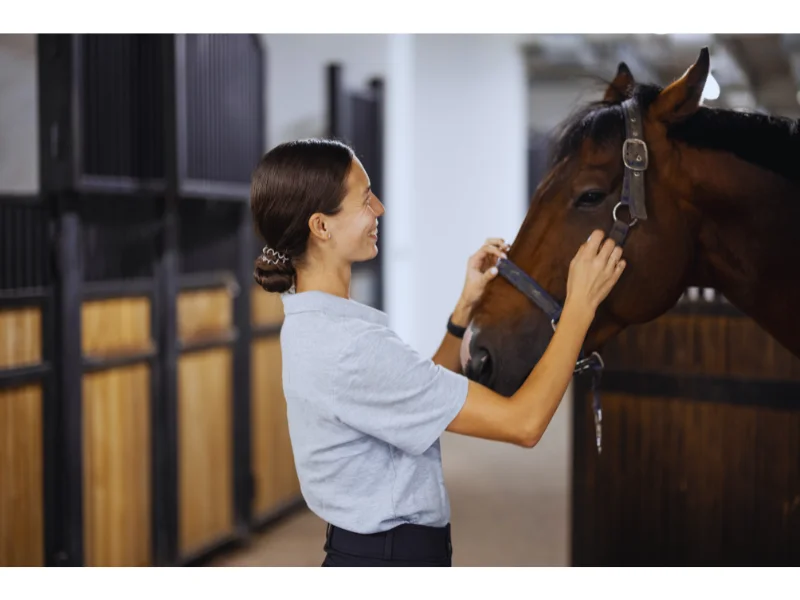
Equine Guidance® is a special form of therapy that emphasizes nonverbal communication between humans and horses.
The therapy’s core principle is that the presence and interaction with horses can help regulate the nervous system, promote emotional awareness, and provide a healing experience that is both calming and transformative.
One of the key components of Equine Guidance® is that it focuses on building a connection with the horse without immediately engaging in physical touch.
Instead, clients first spend time in the horse’s presence, allowing the animal to respond to their emotional state.
This process encourages emotional awareness and encourages a sense of calm through the interaction.
Another important aspect of Equine Guidance® is that it uses the horse’s natural ability to co-regulate the human’s nervous system.
Horses have the unique ability to remain grounded, and their calm presence can help bring a person out of a heightened state of stress or anxiety and into a more relaxed and balanced state.
This process of co-regulation is vital for nervous system regulation through equine-assisted therapy.
The Role of Horses in Healing Practices
In Equine Guidance®, horses serve as more than just participants in the therapy; they are active partners in the healing process.
Horses are not affected by societal expectations because they do not operate within the complex social structures and norms that humans do.
They respond primarily to their instincts and immediate environment rather than cultural or social pressures.
This makes them neutral, non-judgemental animals, which can be especially beneficial in therapeutic settings, as they do not project societal views or biases onto individuals.
This unique aspect of the human-horse relationship helps individuals feel understood and supported without the need for verbal communication.
Horses assist in healing by helping individuals stay present and focused on the here and now, rather than being overwhelmed by past experiences or future worries.
They help clients become more attuned to their emotional responses and provide an opportunity to process and release pent-up emotions.
Over time, individuals who engage in equine therapy develop greater emotional resilience and the ability to better manage stress and anxiety in their everyday lives.
Neuroscientific Insights into Equine Therapy
The Impact of Equine Presence on Stress Levels
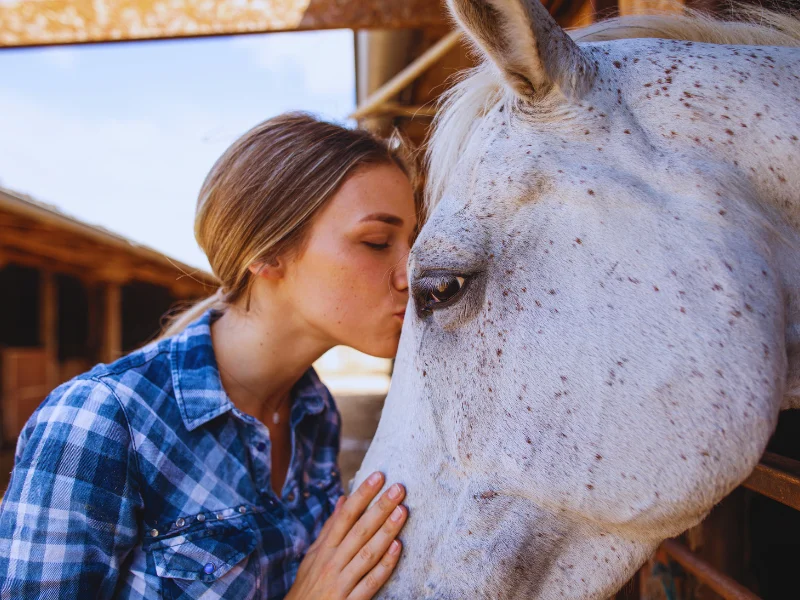
Research into equine therapy has revealed that spending time with horses can have a profound effect on stress levels.
Studies have shown that simply being around horses can lower cortisol levels, the hormone responsible for stress, while increasing oxytocin levels, the hormone associated with bonding and relaxation.
These hormonal changes are linked to a decrease in overall stress and anxiety, providing immediate emotional relief.
Horses naturally regulate their own nervous systems, which means that by being near them, humans can begin to synchronize their nervous systems with the horse’s calm state.
This synchronization leads to a reduction in stress, helping people move out of a heightened state of alertness and into a more relaxed, balanced state.
Enhancing Emotional Regulation Through Equine Contact
Equine therapy promotes emotional regulation by encouraging co-regulation between the client and the horse.
As horses are highly sensitive to human emotions, they respond to changes in a person’s nervous system by adjusting their own behavior.
This process of co-regulation allows individuals to experience first-hand how their emotional states influence the energy around them, leading to greater self-awareness and emotional control.
Working with horses helps individuals gain valuable insights into their emotional responses and learn how to regulate them more effectively.
Regular engagement with horses helps individuals develop emotional resilience, enabling them to handle stress and anxiety in a healthier, more balanced way.
This long-term emotional stability is a key benefit of equine therapy for the nervous system.
Finding Balance Through Equine Guidance®
Equine Guidance® provides a special way to support mental and emotional healing, using the calm and natural presence of horses to help balance the nervous system.
If you’re seeking an alternative, holistic approach to managing stress, anxiety, or trauma, equine therapy could be the solution you’ve been looking for.
Reach out to our team today and see how Equine Guidance® can help you feel better and more centered.
