

When you’re struggling with depression or anxiety, it often feels like you’re trapped in a cycle that’s hard to break.
While medication and traditional therapy are commonly used solutions, many individuals are now exploring holistic therapies to support their mental health in a more natural and balanced way.
These therapies aim to address not just the mind, but also the body and emotions, working together to face the underlying causes of stress, anxiety, and depression.
Understanding these approaches can help you discover how they work in harmony with your overall well-being.
Understanding Holistic Therapies for Mental Health
The Philosophy Behind Holistic Healing

Holistic healing takes a broad approach to mental health.
Unlike traditional methods that often focus solely on addressing symptoms, holistic therapies work on balancing the mind, body, and spirit.
The idea behind this approach is that all parts of a person are interconnected, and treating one area can lead to improvements in others.
For example, stress or emotional pain can manifest physically, leading to tension, headaches, or even fatigue.
In working with the whole person—rather than just focusing on one symptom—holistic therapies aim to help the individual achieve overall balance and health.
This broader perspective encourages healing by empowering individuals to reconnect with their bodies and emotions, helping them gain better self-awareness and control over their feelings.
Holistic therapies are not meant to replace traditional treatments but rather to complement them for additional support in managing mental health challenges such as anxiety and depression.
How Holistic Therapies Complement Traditional Treatments
Traditional treatments, like medication and talk therapy, are often effective for many people dealing with depression and anxiety.
However, these methods typically focus on either alleviating symptoms or helping individuals cope with their emotions.
Holistic therapies take a unique approach by focusing on internal healing.
This is not to say that one approach is better than the other, but rather that when combined, they can work together to create a more comprehensive and sustainable path to healing.
While traditional therapies may offer relief in the short term, holistic treatments can help prevent relapses by addressing the deeper, underlying issues that contribute to anxiety or depression.
Holistic therapies such as Somatic Experiencing®, CBT, and NARM® address mental health by engaging the nervous system, emotional responses, and past trauma.
The Benefits of Holistic Therapies in Managing Depression and Anxiety
Reducing Symptoms Without Medication

One of the biggest appeals of holistic therapies is that they offer the potential for reducing symptoms of depression and anxiety without relying on medication.
While antidepressants and anti-anxiety medications may only help in the short term, many people are looking for ways to avoid long-term medication use due to concerns about side effects or dependency.
Holistic therapies offer a natural alternative to manage the emotional and physical symptoms of these conditions.
For example, Somatic Experiencing® focuses on the body’s physical responses to stress, helping people process trauma or stress in a way that doesn’t require medication.
Likewise, CBT works by changing the negative thought patterns that often fuel depression and anxiety.
These therapies empower individuals to take charge of their emotional health by learning skills and techniques that can help them manage their symptoms effectively without needing to rely on medication.
Strengthening Emotional Regulation
Holistic therapies can also be a tool for emotional healing and not just symptom management.
Both depression and anxiety often have deep emotional roots, including unresolved trauma, negative beliefs, or a lack of emotional regulation skills.
In addressing these deeper emotional layers, holistic therapies can help individuals build resilience and improve their overall sense of well-being.
For instance, through the practice of NARM® (NeuroAffective Relational Model), individuals can uncover and work through relational trauma that often contributes to emotional distress.
In focusing on emotional regulation and attachment wounds, NARM® can help people develop healthier emotional responses, leading to long-term emotional balance and relief from anxiety and depression.
The Three Holistic Therapies
Somatic Experiencing®: Healing Through the Body
Somatic Experiencing® (SE) is a body-focused therapy developed by Dr. Peter Levine that helps individuals release stored trauma and stress from their bodies.
It is based on the idea that trauma isn’t just stored in the mind but also in the body.
In recognizing and addressing physical sensations and bodily responses to trauma, Somatic Experiencing® helps individuals break free from the cycle of chronic anxiety, stress, and depression.
The therapy works by guiding individuals through a process of paying close attention to the sensations and feelings in their bodies with the help of a trained therapist.
Through this process, clients can safely “discharge” pent-up stress and emotions, which can help reduce symptoms of anxiety and depression.
Somatic Experiencing® is particularly useful for those who have experienced trauma, as it helps individuals process events that might be too overwhelming to address through verbal therapy alone.
Cognitive Behavioral Therapy (CBT): Reshaping Negative Thought Patterns
Cognitive Behavioral Therapy (CBT) is a well-established, evidence-based therapy that focuses on identifying and challenging negative thought patterns.
It operates on the premise that our thoughts influence our emotions and behaviors, and by changing our thought patterns, we can alter the way we feel and behave.
For individuals with depression or anxiety, negative thinking often leads to a distorted view of reality, reinforcing feelings of hopelessness and fear.
CBT helps individuals recognize these negative thought patterns and replace them with healthier, more balanced thoughts.
Cognitive Behavioral Therapy teaches practical skills that individuals can use to manage their emotions in everyday life.
Through structured sessions, clients are taught how to challenge unhelpful thinking patterns, and this includes challenging beliefs like expecting the worst or seeing things in extremes.
With practice, clients can change how they respond to stress and negative thoughts.
NARM®: Addressing Attachment and Relational Trauma
The NeuroAffective Relational Model (NARM®) is a newer therapeutic approach that focuses on the role of early attachment and relational trauma in shaping our emotional experiences.
Developed by Dr. Laurence Heller, NARM® specifically addresses the emotional wounds caused by disruptions in early relationships, including those with caregivers or primary figures in a person’s life.
These relational wounds can manifest as depression, anxiety, or difficulties with emotional regulation.
NARM® helps individuals identify and heal from these early attachment wounds by focusing on the body’s experience of trauma and helping individuals develop new relational patterns.
In addressing both the physical and emotional aspects of relational trauma, NARM® offers a holistic approach to emotional healing.
Clients learn to develop a more secure sense of self, leading to improved emotional regulation and resilience against the triggers of anxiety and depression.
Neuroscientific Insights into Holistic Therapies
The Impact of Somatic Experiencing® on Stress Levels
Neuroscience has provided valuable insights into how Somatic Experiencing® works on the brain and body.
Research shows that when we experience stress or trauma, our autonomic nervous system (ANS) becomes dysregulated, leading to fight-or-flight responses or emotional numbing.
Somatic Experiencing® helps to bring the ANS back into balance by guiding individuals to release stored tension and regulate their nervous system through the body’s natural healing processes.
Studies show that body-focused therapies like Somatic Experiencing® can lower cortisol levels, reduce heart rate variability, and improve overall emotional resilience.
These changes can help reduce symptoms of anxiety and depression by addressing the physical aspects of trauma that are often overlooked in traditional talk therapies.
The Role of CBT in Brain Function and Emotional Regulation
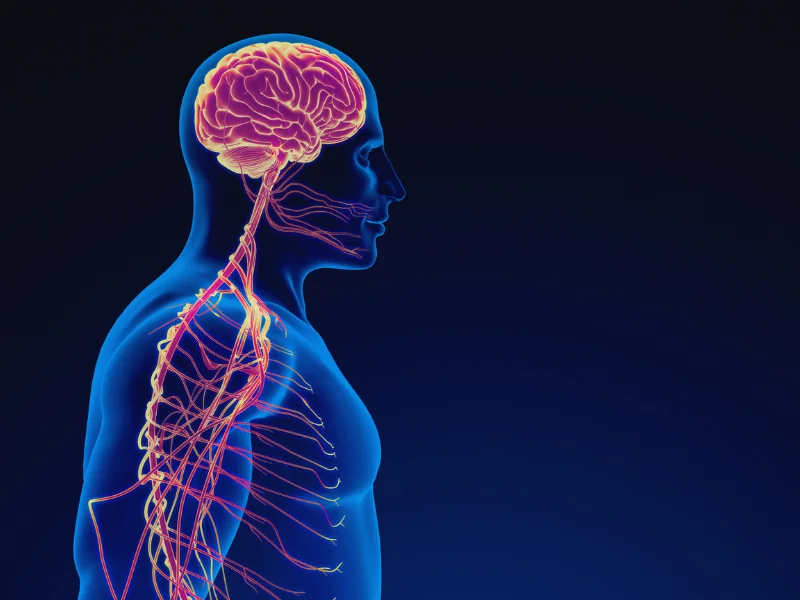
CBT has also been studied extensively for its effects on the brain, particularly in how it helps individuals change their thought patterns.
Research has shown that CBT can lead to changes in brain activity, particularly in the prefrontal cortex, which is responsible for decision-making and emotional regulation.
In challenging negative thoughts and replacing them with healthier ones, CBT helps individuals rewire their brain, leading to improved emotional control and reduced symptoms of anxiety and depression.
How NARM® Influences Emotional Healing
NARM® works by targeting the brain’s limbic system, which is responsible for processing emotions and forming attachment bonds.
In addressing relational trauma, NARM® helps individuals rewire their emotional responses, leading to healthier emotional regulation and attachment behaviors.
This therapy has been shown to improve emotional resilience, reduce anxiety, and promote better self-awareness.
Regulating the Nervous System Through Equine-Assisted Healing
Holistic therapies like Somatic Experiencing®, Cognitive Behavioral Therapy (CBT), and NARM® provide valuable approaches for managing depression and anxiety.
When combined with the unique benefits of Equine Guidance®, these therapies offer a powerful way to address the underlying causes of emotional struggles.
Through the presence and energy of horses, Equine Guidance® helps regulate the nervous system and supports emotional healing, providing an additional layer of care alongside these holistic practices.
If you’re ready to explore alternatives to traditional treatments and tap into the healing power of both therapy and horses, these approaches could be the key to a more balanced, fulfilling life.
Begin your healing journey today and discover how Equine Guidance® and holistic therapies can support your emotional wellness.
Reach out to learn more and take the next step toward emotional healing.
